What should a person still learn to do alone?
Schools are deciding what machines may do for their students. The louder debate focuses on tools, whether to ban or allow them. The quieter question is about capability: what must a person still do without assistance so that the ability becomes their own? Some of what we learn is undelegable. School is where that begins.
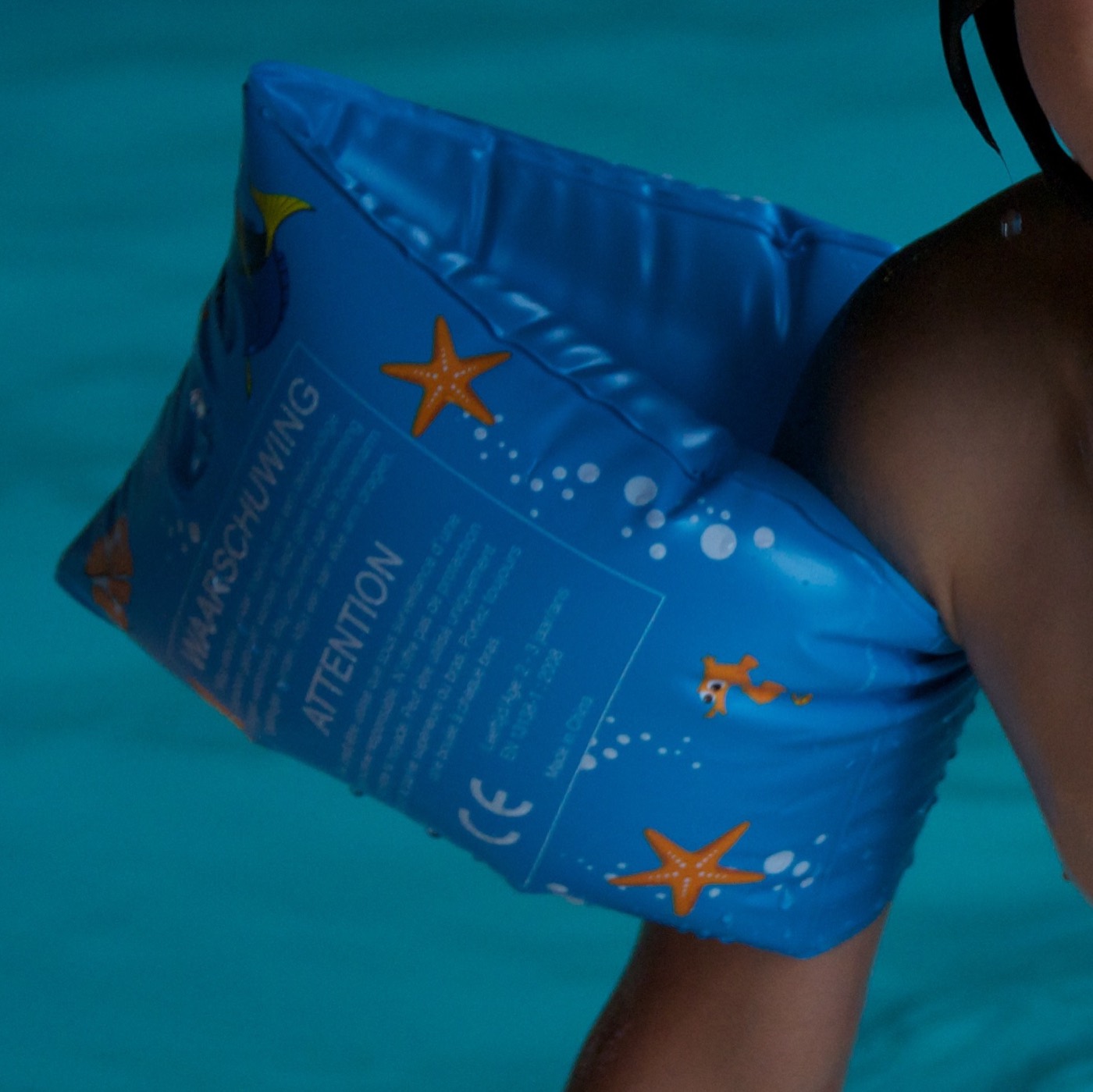
Photo: Thomas Ricker / Wikimedia Commons · CC BY 2.0 · Cropped and compressed
.jpg)
A swimming lesson leaves you able to swim. Water wings keep you afloat, but the skill stays with the float.
The work beneath the question.
The essential point first. The method, governance and research remain available when you need them.
The gap
Most digital education policy tracks access and usage. It rarely asks whether learning leaves a young person able to understand, judge and act without permanent support.
What we do here
We work with teachers, school leaders and educational institutions, not with children as test subjects. In The Contrast, teachers experience the difference between assisted and unassisted judgment in their own subjects. The Baseline shows how an institution currently decides what stays human in its classrooms. With partners, we develop ways to evaluate growth in judgment through open methods rather than proprietary black boxes.
Governance
We do not assess children. We collect no scores, profiles or individual student data. Our work strengthens the adults responsible for learning.
Research
Education brings a core question of our research into focus: what a person must do alone to remain capable of independent action. This is an open research question, not a settled claim.